


Luxury Lodges for Sale: A Buyer's Guide to Costs and Contracts
Last Updated: November 19, 2026
Quick Summary
Holiday lodges for sale are holiday-use properties, not permanent homes, so you buy a licence to keep a lodge on a park pitch rather than freehold. Before paying a deposit, get the site fees, licence term and resale commission in writing. Budget for running costs as well as the purchase price.
Buyer search interest for holiday lodges for sale rose 41% between January and October 2026.
Lodges near coastlines or national parks have tended to appreciate between 3% and 5% annually.
Typical tenure for keeping a holiday home on a site runs between 10 and 20 years.
Site fees are the single most common source of buyer complaint, so check the review clause.
Spindlewood holds a 12-month holiday licence, so owners can enjoy their lodge all year round.
Ready to see a lodge in person?
Tour our gated East Sussex park, see the lodges and the private fishing lake.
Table of Contents
Why Holiday Lodges for Sale Are Drawing More Buyers
Buyer search interest for holiday lodges for sale rose 41% between January and October 2026 compared with the same months in 2025, according to the Park Industry Demand Index.

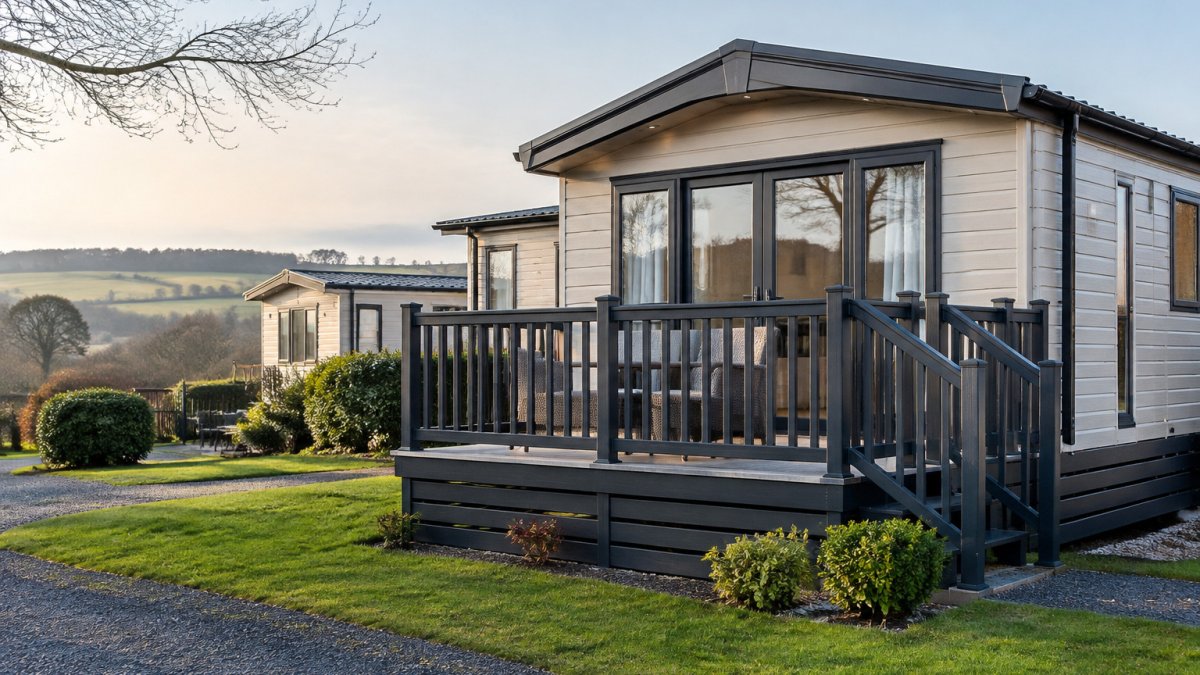
A retired couple and their dog, walking from their timber decking of holiday lodges overlooking the Sussex countryside.
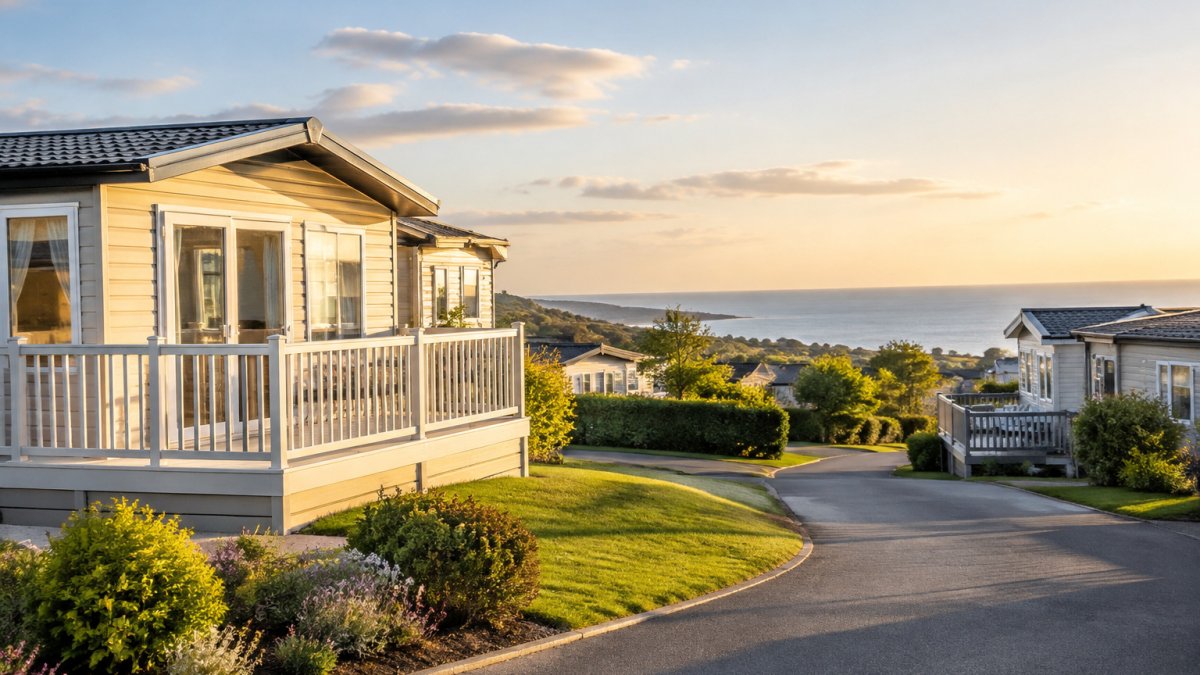
At Spindlewood, we sell new and pre-loved lodges on a quiet, gated park in the East Sussex countryside, a short drive from Hastings and the coast.
Part of the pull is lifestyle. Part is financial.
If you want to see what is actually on the market, you can browse the lodges for sale before reading further.
New and Used Holiday Lodges: Which Suits Your Budget
The choice between new and used holiday lodges comes down to three things: upfront cost, warranty cover and how much work you want to do. Pre-owned lodges generally cost less, but check carefully what protection and condition history come with them.
What a New Lodge Gives You
Buying a new lodge means you start with a fresh build, rather than inheriting someone else's wear and tear.
The Case for a Pre-Loved Lodge
A used lodge on a well-run holiday park can be the smarter buy if you want a lower entry price. Check the age, the remaining licence term and the condition of the decking and roof before you commit. Typical tenure for keeping a holiday home on a site runs between 10 and 20 years, according to Woodland Park's buying guide, so the remaining term matters more than the year it was built.
You can compare new and pre-owned holiday homes to see how the two stack up on our park.
Option | Upfront Cost | Warranty | Best For |
New lodge | Higher | Manufacturer cover, often 12 months+ | Buyers who want choice and zero refurbishment |
Pre-owned lodge | Lower | Limited or none | Budget-conscious buyers happy to refresh |
Part-exchange | Offset against your current home | Depends on agreement | Owners upgrading on the same park |
What Holiday Lodge Costs Really Include
Holiday lodge costs fall into two buckets: the purchase price and the running costs. Buyers who only budget for the first one get caught out. The useful exercise is to build a total cost of ownership figure for year one and for a typical five-year hold, because that is the number that decides whether a lodge is affordable rather than merely buyable.
One-Off and Ongoing Costs Side by Side
Purchase price of the lodge itself, including delivery and siting if it is new
Site fees, also called pitch fees, paid annually in advance
Insurance for the structure and contents, usually quoted annually
Building a Year-One Figure
A practical method is to add the annual site fee, the insurance premium, an estimate for utilities based on the season length, and a maintenance reserve. It is sensible to set aside a maintenance reserve rather than budgeting to zero, as decking, seals and heating systems all need upkeep over time. Add the one-off costs, legal fees, any survey, connection charges and the first year's insurance, to get the cash you need on day one, separately from the purchase price.
Ask for site fees in writing, and ask what they have done over the past five years. A park that will not show you the history is telling you something. The same applies to utility arrangements: ask whether pitches are individually metered or whether usage is apportioned, because apportioned billing is much harder to control. Hidden costs often escalate when additional amenities like private hot tubs are included, so verify how these impact your ongoing overheads before committing to a site such as Bonshaw Grange.
The Five-Year View
Over five years the purchase price is fixed but the running costs are not. Running costs can change over time, so budget with some margin for future increases. A five-year total cost of ownership calculation, purchase price plus five years of fees, insurance, utilities and reserve, minus an honest estimate of resale value, is the figure worth comparing across parks. It is also the figure most sellers will not volunteer.
Watch out: site fees are the single most common source of buyer complaint. Get the annual figure, the review clause and the notice period in the contract before you pay a deposit, and check whether the fee is payable whether or not you use the lodge.
Reading a Holiday Park Licence Agreement Before You Sign
A holiday park licence agreement is the contract that sets out your right to keep a lodge on the pitch. It is not a tenancy, and it is not freehold.
The National Caravan Council's best practice guidance sets out what park operators should disclose during a sale, and Trading Standards guidance on lodge contracts pushed for clearer documentation across the sales process.
The Clauses That Decide Whether You Can Sell
Licence term and review date. A 15-year licence with 11 years left is a different asset from a 20-year licence with 18 left. Ask for the start date in writing, not the number of years remaining quoted verbally.
Commission on resale. Many parks take a percentage of the sale price, and some also charge a transfer fee. Get both figures, and ask whether commission applies if you sell privately.
Approved-buyer clause. Some agreements require the park to approve any purchaser, which can slow a sale. Ask how long approval normally takes.
The Clauses That Decide What You Can Do With It
Holiday season length. A 10-month season restricts winter use; a 12-month holiday licence extends it but does not change the lodge's legal status as holiday accommodation.
Subletting and letting. If you plan to offset costs through letting, confirm whether it is permitted, whether the park takes a booking commission, and whether you must use an approved letting agent.
Occupancy restrictions. Check whether the agreement limits use to a single household, bans certain breeds of dog, or restricts commercial vehicles on the pitch.
The Clauses That Decide What You Pay
Site fee review mechanism. Is the annual increase linked to a published index, capped, or at the park's discretion? An uncapped discretionary review is the single biggest financial risk in the agreement.
What the fee covers. Water, drainage, grass cutting and waste are sometimes included and sometimes not. Ask for a written schedule.
Notice periods. How much notice must the park give before a fee increase, and how much notice must you give if you sell or surrender the licence?
One point buyers often miss: holiday lodges are for holiday use only. They are not a permanent residence, and park rules and seasonal restrictions apply.
Watch out: a deposit paid before you have seen the full agreement and the park's written fee history is money you may not get back.
For park rules, fees and licence terms in plain terms, our frequently asked questions cover the details buyers ask about most.
Holiday Lodge Finance and Resale Value
Finance for a holiday lodge is not the same as a residential mortgage. Lenders typically treat lodges as a second home or a leisure purchase, which means larger deposits and shorter terms.
Resale value depends on the park, the remaining licence term and how well the lodge has been kept.
Part-exchange is worth asking about if you already own on a park and want to upgrade. Our guide to caravan part exchange and upgrading explains how a valuation works and what affects the figure you are offered.
Book a VIP Tour of the Lodges at Spindlewood
The best way to judge a park is to stand on the decking.
You will see the lodges themselves, walk the grounds, and see the private fishing lake that owners have exclusive use of. Bring the dog. The park is pet-friendly and gated.
Buying a lodge should feel like the start of something calmer, not a leap of faith. Get started with Spindlewood and book a VIP tour to see the lodges for yourself.
Frequently Asked Questions
How much does a holiday lodge cost?
The price of holiday lodges depends on size, specification, age and location, so there is no single figure. Budget for the purchase price plus site fees, insurance, utilities, maintenance and annual safety checks. A pre-loved two-bedroom model will cost far less than a new three-bedroom lodge with a hot tub and extended decking. Ask the park for a full written breakdown of every recurring charge before you commit, and request a quote for the specific lodges you are considering.
Can you live in a holiday lodge all year round?
Not as a permanent residence. Holiday lodges are licensed for holiday use only, and a 12-month holiday licence lets you stay throughout the year but does not change the legal use class. Permanent occupation would breach the licence agreement and planning conditions. If you want to live on site full time, you need a residential park home on a site with the correct planning permission, which is a different product with different rules and costs.
What ongoing costs should I budget for when buying a holiday lodge?
Expect pitch or site fees, which cover ground rent and park facilities, plus gas, electricity, water, contents and building insurance, and an annual gas and electrical safety check. Maintenance such as cleaning gutters, treating decking and servicing the boiler adds more. Set aside a contingency for repairs. Site fees vary by park and pitch, so ask for the current figure in writing and check how increases are set out in the licence agreement before you buy.
Is it better to buy a new or pre-loved holiday lodge?
A new lodge gives you a fresh build and the chance to ask the park about the options available. A pre-loved lodge costs less upfront and often comes fully furnished, but check its age, condition and how many years remain on the licence agreement. Ask for a full survey and a written maintenance history. Either route works well if the licence terms, site fees and resale rules are clear before you exchange contracts.

Comments